

What the harbor and the salt air do to your appliances
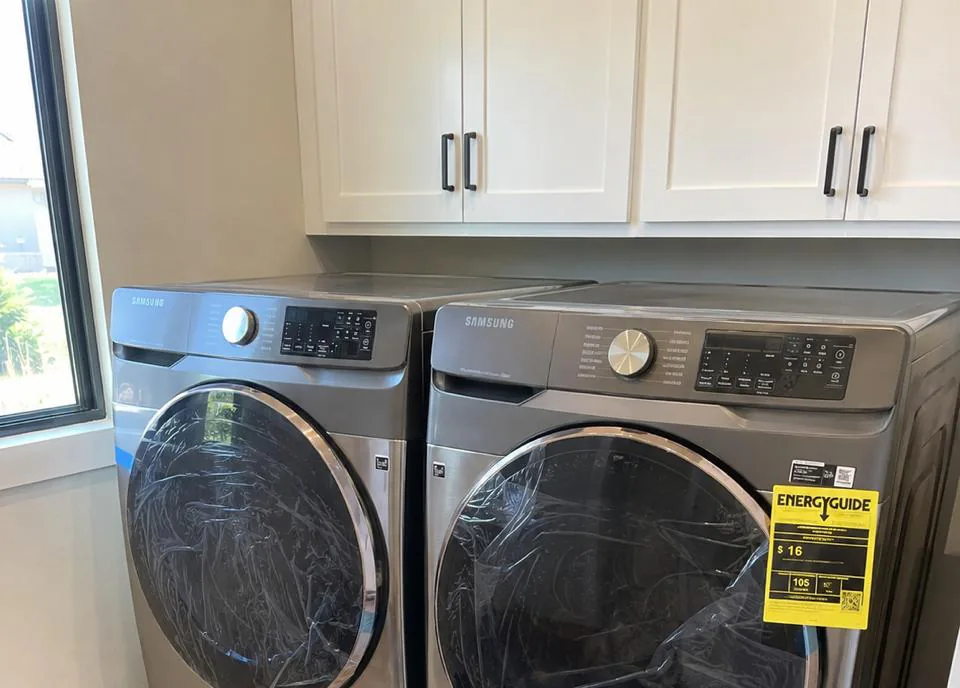
Most of my inland calls are about wear and electronics. In Newport Beach a third culprit is always in the room: salt. The marine layer that rolls over the Peninsula and Corona del Mar most mornings carries fine, conductive salt that finds its way into everything mechanical. On refrigerators it settles on the condenser coil and the compressor terminals, accelerating corrosion and forcing the system to run hotter and longer than it should. On dryers and laundry pairs in the garages and side yards of waterfront homes, it eats at sheet-metal cabinets, rusts drum supports, and corrodes the contacts inside control boards. On ranges and cooktops it pits chrome trim and gums up igniters. None of this is a flaw in the appliance; it is simply the cost of living this close to the water, and it is exactly the kind of damage I look for first when I open up a unit anywhere from Lido Isle to Newport Coast.
The city's microclimates change the picture block by block. Down on the Balboa Peninsula and on Balboa and Lido Islands, where homes sit right over the bay, humidity stays high and salt exposure is relentless, so condenser coils need cleaning more often and door gaskets give out sooner. Up in the hills of Newport Coast and Newport Ridge, a few hundred feet of elevation and some distance from the surf cut the salt load, but those homes trade it for big estate kitchens packed with built-in equipment that simply has more to go wrong. Corona del Mar sits in between, close enough to the water to feel the marine air but built up on the bluff. Knowing which version of Newport I'm driving into tells me before I knock what's likely waiting on the other side of the door.